Mezcal
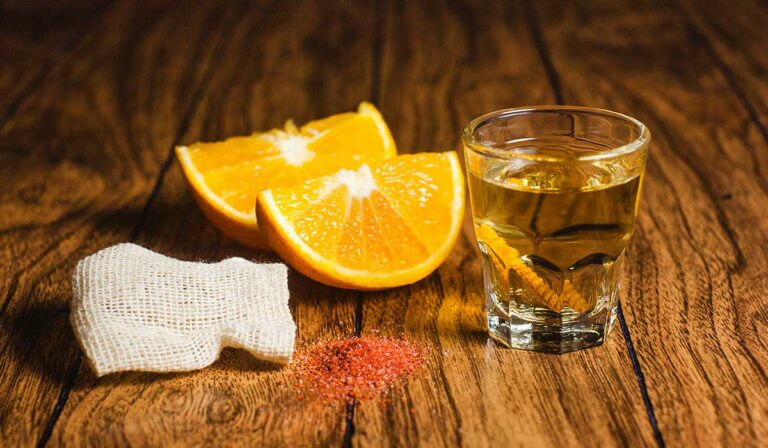
The name mezcal has its roots in one of the ancient native languages of the area and translates as 'cooked agave (also known as maguey). Although pre-Hispanic Oaxacans used maguey to make pulque (an unsweetened alcoholic beverage),
Get to know and enjoy the Oaxaca City!

The name mezcal has its roots in one of the ancient native languages of the area and translates as 'cooked agave (also known as maguey). Although pre-Hispanic Oaxacans used maguey to make pulque (an unsweetened alcoholic beverage),

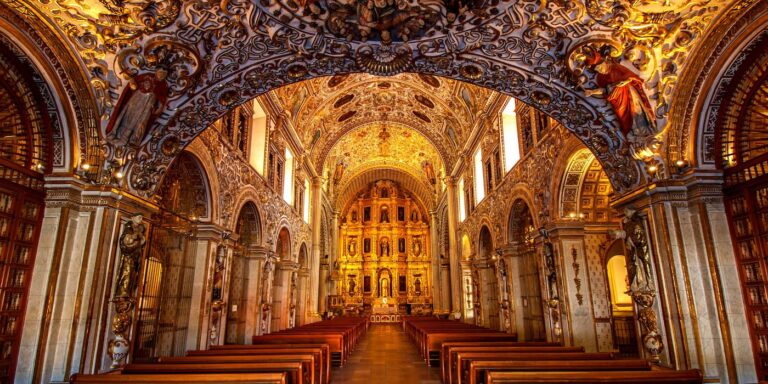
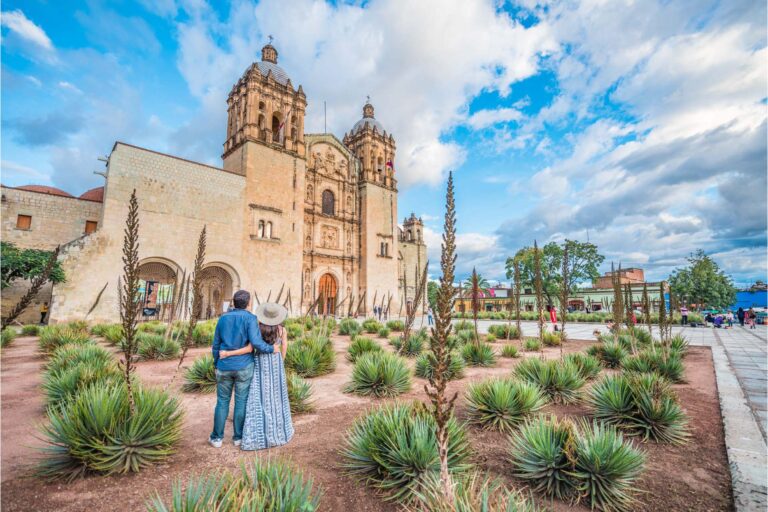
The Santo Domingo Cultural Center is a cultural complex located in what was once one of the most important convents of the colony. It is a large convent where the

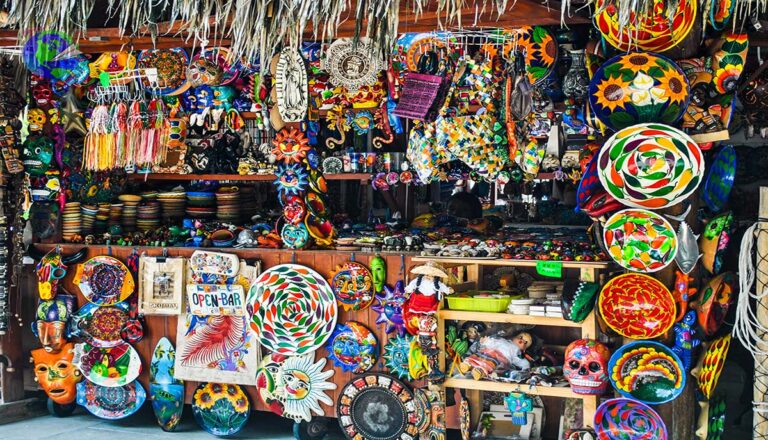
The crafts in Oaxaca are so varied and of such good quality that they have become a tourist attraction. The ancestral traditions, the diversity of ethnic groups, as well as the richness of the state's history have been able to

In the state of Oaxaca there are many customs and traditions throughout the year, and within the state, there are sayings that have the same purpose of celebration but with different things, in fact from one region to another or even more.

In Oaxaca we are proud to have 5 communities that have been awarded the title of Magical Towns of Mexico, a Magical Town is a town that has symbolic attributes, legends, history, transcendental events, everyday life, in

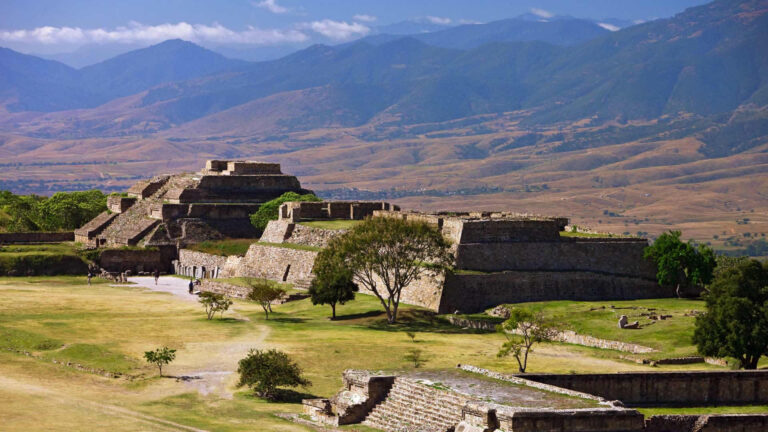
Oaxaca City, the state capital, is famous for its architecture and rich cultural traditions. Oaxaca also boasts a splendid and varied cuisine and spring-like weather all year round. UNESCO declared the city a World Heritage Site.